Eat, drink, glow: how everyday choices show up on your skin
No single food causes or fixes anything, but patterns show. A no nonsense look at nutrition, hydration, and what your skin actually needs from your kitchen.
Skin nutrition content tends to come in two flavours: miracle superfoods that fix everything, and terrifying lists of foods that are ruining your face. Both are mostly noise. Here is the balanced version.
Patterns beat superfoods
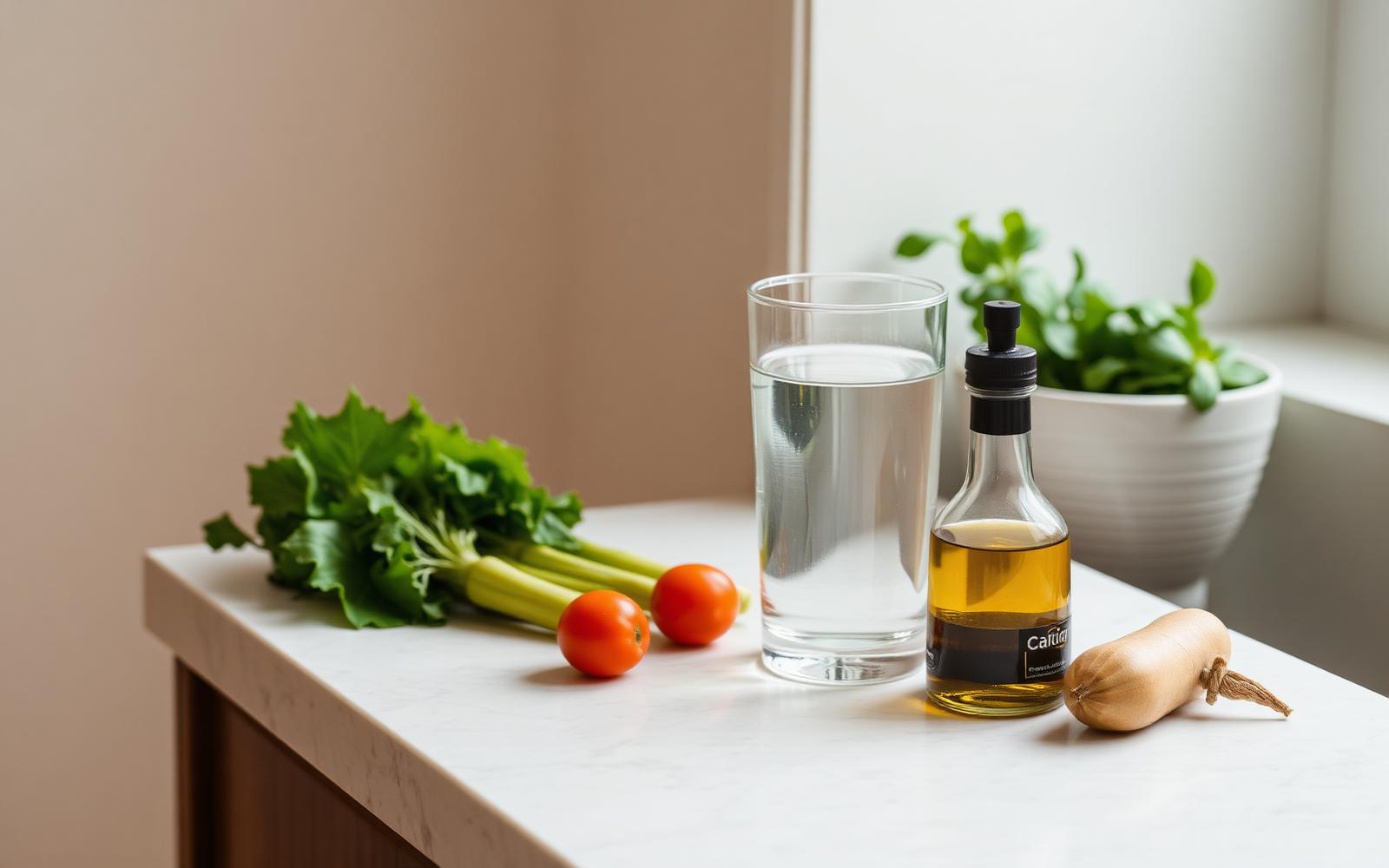
No single food transforms skin, and no occasional treat damages it. What research consistently supports is duller and more useful: overall eating patterns show up over time. Diets rich in colourful vegetables and fruit, healthy fats like those in olive oil, nuts and oily fish, and adequate protein are associated with better skin quality, largely because they supply the raw materials skin renewal runs on: vitamins, antioxidants, essential fats, and amino acids.
Protein deserves a special mention in a longevity context. Skin structure is built from proteins like collagen, and your body builds them from the protein you eat. You do not need powders; you need enough actual food protein, consistently.
Hydration: real but overhyped
Yes, hydration matters; dehydrated skin looks flatter and fine lines appear more pronounced. But drinking litres beyond your needs does not create extra glow, whatever the influencers say. Drink consistently through the day, more in heat and around exercise, and remember that alcohol and very salty days pull in the other direction. The morning after face you have seen following a big night is dehydration and disrupted sleep working together.
Sugar, alcohol, and the honest middle ground
Two patterns worth knowing about. Consistently high sugar diets are being studied for their role in glycation, a process where excess sugar attaches to proteins like collagen and stiffens them; the science is still developing, but it is one more reason the general health advice on sugar and skin advice point the same way. And alcohol affects skin through several routes at once: dehydration, sleep disruption, and flushing or redness in people prone to it. Neither needs to be zero. Both show up as patterns, not incidents.
The kitchen is not a clinic, and that is the point
If your skin concerns you, the order of operations matters. Sunscreen, sleep, a decent eating pattern, and sensible drinking are the foundations, and they are also the cheapest items on the entire menu. Treatments and products can then work with your skin rather than against your lifestyle. Track your skin alongside your habits for a few weeks and the connections usually become visible, which beats guessing, and certainly beats buying supplements on a stranger's say so.
These are cosmetic insights only, not medical advice. For personal dietary guidance, speak to a qualified professional.
These are cosmetic insights only, not medical advice. Always consult a qualified practitioner before any treatment.